
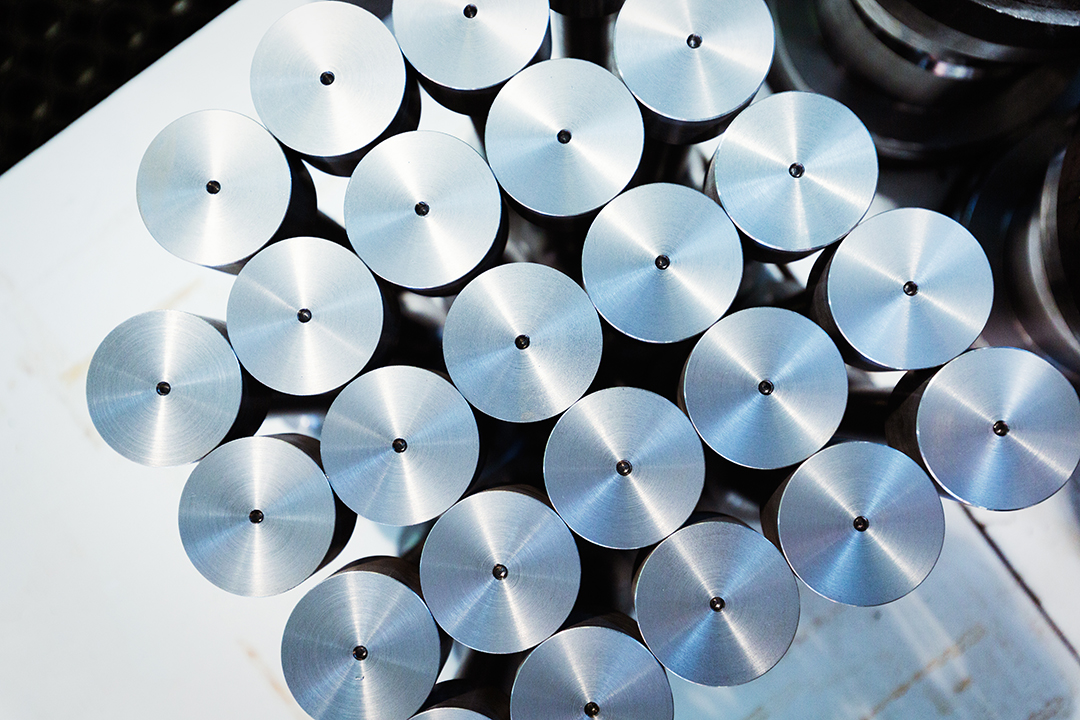
Material selection determines whether a precision-manufactured component succeeds or fails in its application. Every material brings unique mechanical properties, machinability characteristics, and performance limitations that directly impact the final product’s reliability, cost, and functionality. According to industry research, improper material selection accounts for nearly 30% of manufacturing defects and field failures in precision components.
Understanding Material Properties in Manufacturing Context
Successful material selection requires understanding how different properties interact during machining and end-use. Tensile strength, hardness, thermal conductivity, and corrosion resistance all play critical roles, but their importance varies dramatically based on the application.
Mechanical Properties to Consider
Yield strength and ultimate tensile strength indicate how much load a material can withstand before deforming or breaking. For aerospace components experiencing high stress cycles, materials like titanium alloys (Ti-6Al-4V) provide exceptional strength-to-weight ratios. Medical implants often require biocompatible materials such as surgical-grade stainless steel (316L) or cobalt-chromium alloys that maintain structural integrity within the human body.
Hardness affects both machining operations and wear resistance. Materials like tool steel (H13, D2) offer excellent hardness for dies and tooling applications but require specialized cutting tools and slower machining speeds. Conversely, aluminum alloys (6061, 7075) machine easily while still providing adequate strength for many applications.
Thermal Considerations
Thermal expansion coefficients matter significantly in precision applications. Components operating across wide temperature ranges must account for dimensional changes. Invar, a nickel-iron alloy, exhibits minimal thermal expansion, making it ideal for precision instruments and aerospace applications where dimensional stability is critical.
Thermal conductivity affects both machining processes and end-use performance. Copper alloys provide excellent heat dissipation for electrical components and heat exchangers. During machining, materials with poor thermal conductivity like titanium and stainless steel tend to generate more heat at the cutting zone, requiring appropriate coolant strategies and tooling selections.
Common Materials in Precision Manufacturing
Different industries favor specific materials based on their unique requirements and performance characteristics.
Aluminum Alloys
Aluminum remains the workhorse of precision manufacturing due to its excellent machinability, corrosion resistance, and strength-to-weight ratio. 6061 aluminum offers good mechanical properties and weldability for general applications. 7075 aluminum provides higher strength for aerospace and defense components where weight savings justify the increased cost.
The automotive industry extensively uses aluminum for engine blocks, transmission housings, and structural components. Its ease of machining allows for complex geometries and tight tolerances without excessive tool wear or lengthy cycle times.
Stainless Steel
Stainless steel grades serve applications requiring corrosion resistance and biocompatibility. 304 stainless steel suits general-purpose applications with moderate corrosion resistance requirements. 316L stainless steel, with added molybdenum, provides superior corrosion resistance for marine environments and medical implants.
17-4 PH stainless steel combines corrosion resistance with high strength through precipitation hardening, making it suitable for aerospace components, pump shafts, and valve parts. However, work hardening during machining requires sharp cutting tools and proper feeds and speeds.
Titanium Alloys
Titanium’s exceptional strength-to-weight ratio and biocompatibility make it indispensable for aerospace and medical applications. Ti-6Al-4V accounts for roughly 50% of all titanium used globally due to its balanced properties. Aircraft structural components, jet engine parts, and orthopedic implants commonly utilize this alloy.
Machining titanium presents significant challenges due to its low thermal conductivity and chemical reactivity with cutting tools. Manufacturers must use specialized carbide or ceramic tools, maintain slower cutting speeds, and employ flood coolant systems to manage heat generation.
Specialty Alloys
Inconel and other nickel-based superalloys withstand extreme temperatures and corrosive environments. Turbine blades, exhaust systems, and chemical processing equipment rely on these materials. Their excellent high-temperature strength comes at the cost of difficult machining requiring rigid setups, specialized tooling, and careful process control.
Brass and bronze alloys provide excellent machinability with good corrosion resistance for electrical connectors, bushings, and marine hardware. Their high copper content enables rapid machining with superior surface finishes.
Machinability Factors and Considerations
Material machinability significantly impacts production costs, cycle times, and achievable tolerances. Materials with good machinability require less power, produce better surface finishes, and extend tool life.
Free-Machining Grades
Free-machining materials contain additives that improve chip formation and reduce cutting forces. 12L14 steel contains lead for excellent machinability, though environmental concerns are shifting industry toward lead-free alternatives. 303 stainless steel includes sulfur to enhance machinability compared to standard 304 stainless steel.
These materials suit high-volume production where machining cost reduction outweighs the slight compromise in mechanical properties or corrosion resistance. However, the additives may create problems for welding or applications requiring maximum corrosion resistance.
Work Hardening Materials
Austenitic stainless steels and certain nickel alloys work harden rapidly during machining. This characteristic requires positive rake cutting tools, adequate chip load per tooth, and continuous cutting action to prevent work-hardened surfaces that damage subsequent tools.
Manufacturers must maintain sharp cutting edges and avoid dwelling or rubbing at the cut surface. Proper tool selection and cutting parameters become critical for achieving acceptable surface finishes and dimensional accuracy.
Chip Formation and Evacuation
Long, stringy chips indicate good ductility but can tangle around cutting tools and workpieces, damaging surfaces and creating safety hazards. Materials producing short chips (cast iron, brass) generally machine more efficiently with fewer interruptions for chip clearing.
Coolant selection and delivery methods affect chip formation and evacuation. Through-spindle coolant delivery directly at the cutting zone improves chip breaking and heat management for difficult materials.
Cost Considerations in Material Selection
Material costs extend beyond the purchase price per pound. Total cost analysis must include machinability effects on cycle time, tool wear, and scrap rates.
Raw Material Costs
Material prices fluctuate based on commodity markets, supply chain factors, and alloying element availability. Titanium and specialty alloys typically cost significantly more than common materials like aluminum and mild steel. However, their unique properties may eliminate costly secondary processes or extend service life, justifying the higher initial investment.
Purchasing materials in appropriate forms (bar stock, plate, near-net shapes) minimizes waste and machining time. Materials suppliers offering cut-to-length services or custom sizes can reduce handling and setup time while optimizing material yield.
Machining Economics
Materials requiring longer cycle times, specialized tooling, or frequent tool changes increase production costs. A material that costs twice as much but machines three times faster may prove more economical for high-volume production. Conversely, prototype or low-volume work might justify using more expensive materials to achieve specific performance characteristics despite higher machining costs.
Tool life dramatically affects overall costs. Materials causing rapid tool wear may require premium cutting tools (carbide, ceramic, PCD) and more frequent tool changes, increasing both tooling costs and downtime. Some shops base material selection partly on their available equipment capabilities and existing tooling inventory.
Environmental and Regulatory Factors
Modern precision manufacturing must address environmental impact and regulatory compliance throughout the material lifecycle.
Sustainability Considerations
Recyclability increasingly influences material selection decisions. Aluminum’s high recycling rate (approximately 75% of all aluminum ever produced remains in use today) makes it attractive for environmentally conscious applications. Steel also offers excellent recyclability with minimal property degradation through repeated melting and reforming cycles.
Materials requiring extensive energy for production or generating significant waste during processing face growing scrutiny. Life cycle assessment (LCA) tools help manufacturers evaluate the total environmental impact from raw material extraction through end-of-life disposal or recycling.
Regulatory Compliance
Medical device manufacturers must select materials meeting FDA requirements for biocompatibility and traceability. Material certifications documenting chemical composition, mechanical properties, and processing history become essential quality records.
Aerospace and defense applications require materials conforming to military specifications (MIL-SPEC) and aerospace material specifications (AMS). These standards ensure consistent material properties and performance across suppliers and production lots. Nuclear industry materials must meet ASME Boiler and Pressure Vessel Code requirements, while automotive components increasingly require compliance with REACH and RoHS directives restricting hazardous substances.
Application-Specific Material Selection
Different industries prioritize specific material characteristics based on their unique operational requirements and performance criteria.
Aerospace Applications
Weight reduction drives aerospace material selection while maintaining structural integrity and fatigue resistance. High-strength aluminum alloys (7075, 2024) remain standard for airframe structures. Titanium alloys suit applications requiring strength at elevated temperatures, such as engine components and fasteners operating in extreme environments.
Aerospace components often require materials with documented traceability through certified suppliers providing material test reports (MTRs) verifying chemical composition and mechanical properties. These quality records become part of the permanent production record supporting regulatory compliance and safety requirements.
Medical Device Manufacturing
Biocompatibility represents the primary concern for implantable medical devices. Materials must avoid toxic reactions with human tissue while maintaining mechanical properties throughout the device’s intended lifespan. 316L stainless steel, cobalt-chromium alloys, and commercially pure titanium pass rigorous biocompatibility testing for implant applications.
Surgical instruments require materials combining corrosion resistance with the ability to withstand repeated sterilization cycles. 17-4 PH and 455 stainless steels provide the hardness and edge retention necessary for cutting instruments while resisting degradation from autoclave sterilization.
Automotive Industry
Volume production and cost sensitivity characterize automotive material selection. Aluminum increasingly replaces steel for engine blocks, cylinder heads, and suspension components to improve fuel efficiency through weight reduction. High-strength steels enable thinner sections and lighter structures while meeting crash safety requirements.
Powertrain components experience high loads and thermal cycling, requiring materials like alloy steels (4140, 8620) that can be heat treated for optimal strength and wear resistance. Transmission housings commonly use aluminum or magnesium alloys to minimize rotating mass while providing adequate rigidity.
Quality Assurance and Material Verification
Receiving inspection and material verification prevent costly problems from incorrect or substandard materials entering production.
Material Test Reports
Reputable material suppliers provide certified material test reports documenting chemical composition, mechanical properties, and heat treatment condition. These reports allow verification that purchased materials meet specifications before machining begins. For critical applications, independent laboratory testing may supplement supplier certifications.
Material Traceability
Maintaining traceability from raw material through finished product supports quality investigations and regulatory compliance. Bar codes or serial numbers link each component to specific material lots, allowing rapid identification if material defects emerge during production or field service.
In-House Testing
Some manufacturers perform incoming material inspections using hardness testing, spectroscopy, or mechanical testing to verify supplier certifications. While adding cost and time, this verification prevents production delays or field failures from out-of-specification materials.
Making the Final Material Selection Decision
Effective material selection balances multiple competing factors including performance requirements, manufacturing capabilities, cost constraints, and delivery schedules.
Start by clearly defining the component’s operational requirements: load conditions, temperature range, corrosive environment exposure, and required service life. These parameters establish minimum material property requirements.
Evaluate manufacturing implications for candidate materials. Can existing equipment and tooling handle the material efficiently? Will specialized fixtures, cutting tools, or process controls become necessary? How will the material choice affect cycle time and production capacity?
Consider supply chain factors including material availability, lead times, and supplier reliability. Exotic or specialty materials may require longer procurement cycles and higher minimum order quantities. Alternative materials offering similar performance with better availability might reduce overall project risk and cost.
Prototype testing validates material selection before committing to production tooling and inventory. Test parts confirm that selected materials meet performance requirements while demonstrating manufacturing feasibility. Early detection of material-related issues prevents expensive production delays and redesign costs.
Conclusion: Strategic Material Selection for Manufacturing Excellence
Material selection represents a critical decision affecting product performance, manufacturing efficiency, and business success. Understanding material properties, machining characteristics, and application requirements enables informed choices that optimize both product quality and production economics.
Successful manufacturers develop material expertise through experience, testing, and continuous learning. Building relationships with material suppliers and staying informed about new alloy developments expands the range of solutions available for challenging applications.
The most effective approach combines technical knowledge, practical experience, and systematic evaluation of all relevant factors. By investing time in thorough material selection upfront, manufacturers avoid costly problems during production and field service while delivering components that meet or exceed customer expectations.
FM Machine Co. brings over 58 years of material selection expertise to every precision manufacturing project, helping clients choose optimal materials for their specific applications while maintaining efficient production processes and stringent quality standards.