
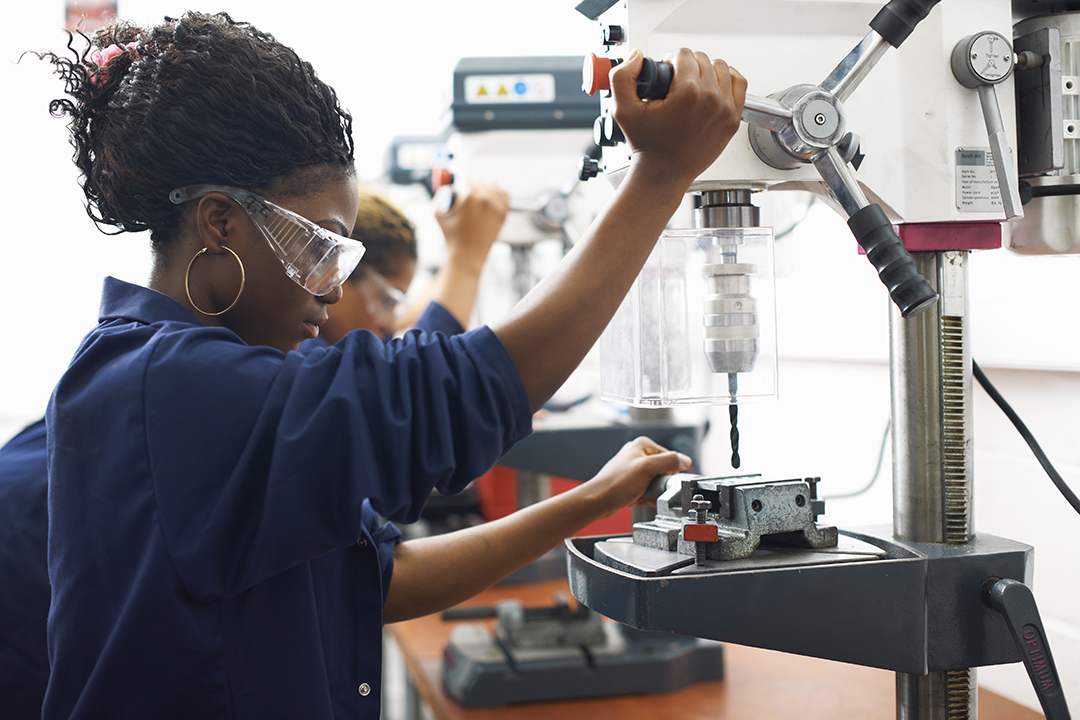
The precision manufacturing industry faces a critical challenge that threatens its future growth and competitiveness: a widening skills gap. As experienced machinists retire, companies struggle to find qualified replacements possessing the technical knowledge, practical skills, and precision mindset necessary for modern manufacturing. According to recent industry studies, over 75% of precision manufacturers report difficulty finding qualified candidates, with the shortage expected to intensify as demand for precision components grows across aerospace, medical device, automotive, and other advanced industries.
Understanding the Workforce Challenge
The precision manufacturing skills gap stems from multiple converging factors that have developed over decades. Manufacturing’s declining perception as a career path, reduced emphasis on technical education in schools, and rapid technological advancement requiring continuous learning all contribute to workforce challenges facing the industry today.
The Retirement Wave
Baby boomer retirements are accelerating, taking decades of accumulated knowledge and experience out of the workforce. Experienced machinists who learned their craft through apprenticeships and years of hands-on practice possess intuitive understanding of materials, tooling, and processes that newcomers take years to develop. This tacit knowledge often goes undocumented, making its loss particularly damaging to organizational capability.
Companies relying on a few key individuals for critical skills face concentrated risk as these experts approach retirement. Without systematic knowledge transfer programs, essential capabilities can disappear overnight when these veterans leave. The challenge extends beyond technical skills to include customer relationships, tribal knowledge about historical projects, and deep familiarity with equipment quirks and capabilities.
Changing Technology Requirements
Modern precision manufacturing requires different skills than previous generations needed. While fundamental machining principles remain constant, CNC programming, CAD/CAM software proficiency, and metrology equipment operation now represent baseline requirements rather than specialized expertise. Additive manufacturing, robotics integration, and quality system documentation add further complexity to the skill sets manufacturers seek.
This technology evolution means that simply recruiting experienced machinists from other shops may not solve staffing needs. Workers comfortable with manual mills and lathes may struggle with multi-axis CNC machines, conversational programming, and computer-based work instructions. Effective workforce development strategies must address both recruiting new talent and upskilling existing employees to meet changing requirements.
Building Effective Training Programs
Comprehensive training programs combine classroom instruction, hands-on practice, and mentorship to develop well-rounded machinists capable of meeting modern manufacturing demands.
Structured Apprenticeship Programs
Formal apprenticeship programs provide systematic skill development over multi-year periods. These programs combine on-the-job training with related classroom instruction, typically spanning 3-4 years before apprentices achieve journeyman status. Registered apprenticeships meeting Department of Labor standards follow established curriculum frameworks ensuring consistent training quality and portable credentials recognized industry-wide.
Apprentices progress through defined skill levels, mastering basic operations before advancing to complex setups and processes. This graduated approach builds confidence while preventing costly mistakes from overwhelming trainees with tasks beyond their current capability. Regular performance evaluations and skill assessments track progress and identify areas needing additional focus.
Mentoring relationships between apprentices and experienced machinists facilitate knowledge transfer that formal instruction cannot fully replicate. Skilled mentors share practical tips, demonstrate problem-solving approaches, and model the attention to detail essential for precision work. These relationships often extend beyond technical training, helping newcomers understand workplace culture and professional behavior expectations.
Technical School Partnerships
Partnerships with community colleges and vocational schools create talent pipelines supplying qualified candidates. Companies working with educational institutions influence curriculum development, ensuring programs teach relevant skills using modern equipment and industry-standard practices. Guest speakers, facility tours, and equipment donations strengthen relationships while showcasing career opportunities to prospective students.
Some manufacturers offer tuition assistance or scholarships encouraging students to pursue manufacturing programs. These investments help offset education costs while building relationships with promising candidates before they enter the job market. Internship and co-op programs provide students with paid work experience, letting them apply classroom learning while companies evaluate potential full-time hires.
Technical schools appreciate industry input helping them maintain relevant curricula and understand employer needs. Regular advisory board meetings, instructor externships at manufacturing facilities, and equipment donations keep programs aligned with industry practices. These partnerships benefit schools through enhanced program quality while giving companies access to better-prepared graduates.
Internal Training and Cross-Training
Continuous learning opportunities keep skills current as technology and processes evolve. Internal training programs tailored to specific company needs address equipment, processes, and quality requirements unique to each operation. Manufacturers developing robust internal training capabilities reduce dependence on external training providers while ensuring consistency with company standards.
Cross-training employees across multiple processes and machines increases workforce flexibility while building broader understanding of how different operations interact. Operators understanding upstream and downstream processes make better decisions optimizing overall production flow rather than sub-optimizing individual operations. Cross-training also provides backup capability for vacation coverage and sick leave without disrupting production schedules.
Essential Skills for Modern Precision Manufacturing
Today’s precision manufacturing workforce needs diverse capabilities spanning traditional machining fundamentals, computer technology, quality systems, and interpersonal skills.
Technical Foundation
Blueprint reading remains fundamental despite increased use of digital work instructions. Machinists must interpret GD&T callouts, understand tolerance stack-ups, and recognize when prints contain errors or ambiguities. Trigonometry and applied geometry enable setups, angle calculations, and verification that machined features meet geometric requirements.
Measurement skills using micrometers, calipers, indicators, and CMM systems ensure proper quality verification. Understanding measurement uncertainty, calibration requirements, and appropriate measurement techniques prevents incorrect accept/reject decisions. As inspection equipment becomes more sophisticated, operators need corresponding measurement knowledge ensuring proper equipment use and result interpretation.
Material science knowledge helps machinists select appropriate cutting parameters, understand heat treatment effects, and recognize material-related machining challenges. Knowing how different materials respond to cutting forces, temperature, and tool contact enables efficient machining while preventing costly mistakes from inappropriate techniques.
CNC Programming and Operation
Modern precision manufacturing relies heavily on CNC machining, requiring programming knowledge and operational expertise. While many shops use CAM software for complex parts, operators must still understand G-code fundamentals for program verification, simple edits, and troubleshooting. Conversational programming capabilities on modern machines enable efficient production of simple parts without dedicated CAM programming.
Setup skills including workholding selection, tool selection, and offset establishment affect both cycle times and part quality. Machinists who efficiently set up jobs minimize non-productive time while ensuring secure, accurate part location. Understanding cutting tool geometry, coating selection, and proper speeds and feeds optimize tool life and surface finish.
CNC operators monitoring automated processes need judgment recognizing when something isn’t right. Unusual sounds, unexpected cycle times, or subtle visual cues often signal developing problems before they cause damage or scrap. This situational awareness comes from experience but can be accelerated through training emphasizing process understanding and pattern recognition.
Quality System Knowledge
Modern manufacturing operates under quality management systems requiring documentation, process control, and continuous improvement. Operators completing inspection reports, recording process parameters, and participating in corrective actions need understanding of quality principles beyond simple measurement skills.
Statistical process control (SPC) concepts help operators interpret control charts and understand when processes require adjustment versus when they’re performing normally. First article inspection procedures ensure proper setup verification before running production quantities. Non-conformance reporting processes capture quality issues for root cause investigation and corrective action.
Attracting New Talent to Precision Manufacturing
Addressing workforce needs requires not just training but attracting new people to consider manufacturing careers. The industry must overcome negative perceptions and compete effectively with other career paths for quality candidates.
Changing Manufacturing’s Image
Manufacturing suffers from outdated perceptions shaped by past realities no longer relevant to modern operations. Many people envision dark, dangerous factories with monotonous assembly line work rather than clean, technology-intensive precision manufacturing environments. Showcasing modern facilities, advanced equipment, and career advancement opportunities helps correct these misconceptions.
Manufacturing Day events, facility tours, and social media outreach demonstrate contemporary manufacturing’s high-tech reality. Photos and videos showing young people operating sophisticated CNC machines, using coordinate measuring machines, and working with engineers on complex projects counter stereotypes about manufacturing careers. Highlighting diverse workforces and women in manufacturing helps broaden appeal beyond traditional demographics.
Success stories of manufacturing professionals building rewarding careers resonate with prospective workers considering options. Employee testimonials describing their career paths, work satisfaction, and compensation help position manufacturing as an attractive choice rather than a last resort. Many people remain unaware that skilled machinists often earn more than workers in service industries requiring similar or greater education.
Competitive Compensation and Benefits
Manufacturers compete for talent with many other industries, making competitive compensation essential. While precision manufacturing historically offered strong wages, some regions see other sectors offering higher starting pay or better benefits. Regular market compensation studies ensure pay scales remain competitive while rewarding skills and experience appropriately.
Benefits packages increasingly emphasize flexibility, work-life balance, and professional development opportunities appealing to younger workers. Tuition reimbursement programs supporting continued education demonstrate investment in employee growth. Retirement plans, health insurance, and paid time off remain important but may require enhancement to match offerings from competing employers.
Skill-based pay systems reward learning and capability development, encouraging continuous improvement while recognizing expanded contributions. As employees master new equipment, earn certifications, or develop programming skills, compensation increases accordingly. This approach aligns employee incentives with business needs while providing clear advancement paths.
Retention and Career Development
Recruiting new employees solves only part of the workforce challenge. Retaining good people and developing their capabilities over time creates the experienced workforce precision manufacturing requires.
Career Path Development
Clear advancement paths help employees envision long-term careers rather than viewing manufacturing as temporary work. Progression from entry-level positions through increasingly responsible roles with corresponding compensation increases provides motivation and direction. Some manufacturers formalize career ladders defining skill requirements and experience needed for each level.
Technical career tracks allow skilled workers to advance without necessarily moving into management roles. Master machinist or senior technician positions recognize expertise and provide leadership roles while keeping top talent engaged with hands-on work they enjoy. Not everyone wants to become a supervisor, so providing alternative advancement paths retains valuable contributors who might otherwise seek opportunities elsewhere.
Continuous Learning Culture
Organizations fostering continuous learning keep employees engaged while building capabilities meeting evolving business needs. Encouraging attendance at trade shows, technical seminars, and training courses demonstrates commitment to employee development. Lunch-and-learn sessions where employees share knowledge create informal learning opportunities building team cohesion.
Providing time and resources for experimenting with new processes, optimizing existing operations, or developing innovative solutions taps employee creativity while generating improvements. Employees contributing ideas and seeing them implemented feel valued and invested in company success. Recognition programs highlighting contributions reinforce behaviors supporting continuous improvement.
Addressing Diversity and Inclusion
Expanding talent pools requires addressing diversity gaps that limit the workforce available to precision manufacturing. Women, minorities, and other underrepresented groups represent untapped talent sources manufacturers cannot afford to ignore.
Breaking Down Barriers
Historical underrepresentation of women and minorities in manufacturing stems partly from systemic barriers and perceptions about who “belongs” in these roles. Creating welcoming, inclusive workplaces where all employees feel valued and respected expands the talent pool while bringing diverse perspectives benefiting innovation and problem-solving.
Targeted outreach to schools and community organizations serving underrepresented populations raises awareness about manufacturing opportunities. Highlighting successful diverse employees in recruitment materials and creating mentorship programs pairing new hires with role models helps build pipeline and retention. Reviewing hiring practices to eliminate unconscious bias ensures qualified candidates receive fair consideration regardless of background.
Manufacturing’s technical nature suits many people on the autism spectrum who thrive in structured environments emphasizing detail orientation and precision. Programs specifically recruiting and supporting neurodiverse employees access valuable talent while demonstrating inclusive workplace cultures. Accommodations enabling success for people with various learning styles or physical limitations expand available workforce while creating more robust organizations.
Leveraging Technology for Training
Modern technology enables more effective, efficient training approaches supplementing traditional methods.
Simulation and Virtual Reality
CNC machine simulators allow trainees to practice programming and operation without risking damage to expensive equipment or workpieces. Students can make mistakes, learn from them, and try again without consuming material or causing downtime. Simulation accelerates learning by compressing experience that would take weeks or months to accumulate on actual equipment.
Virtual reality training creates immersive experiences teaching proper procedures, safety protocols, and equipment operation. Trainees can repeatedly practice emergency procedures or infrequent tasks difficult to train otherwise. As VR technology becomes more affordable and sophisticated, its training applications expand beyond initial orientation to ongoing skill development.
Digital Work Instructions and Documentation
Tablet-based work instructions provide operators with detailed guidance including photos, videos, and interactive content impossible with paper documentation. Digital work instructions ensure operators always access current information while enabling rapid updates when processes change. Interactive checklists and process verification steps reduce errors while creating automatic documentation of work performed.
Video recordings of subject matter experts demonstrating proper techniques create reusable training content. New employees can watch these videos repeatedly at their own pace, pausing for questions or replay of confusing sections. Video libraries covering common tasks and procedures reduce training time while ensuring consistent instruction regardless of which supervisor or mentor is available.
Industry Collaboration on Workforce Development
No single company can solve the manufacturing workforce challenge alone. Industry associations, educational institutions, and government programs provide resources and coordination mechanisms benefiting all participants.
Industry Associations and Consortiums
Manufacturing associations develop training standards, certification programs, and curriculum frameworks benefiting their entire industry. These collaborative efforts leverage collective knowledge and resources beyond what individual companies can provide. Shared training facilities, equipment donations, and instructor development programs supported by multiple companies create economies of scale making high-quality training more accessible.
Advocacy efforts by industry groups influence education policy, funding priorities, and public perception of manufacturing careers. Coordinated messaging reaches broader audiences than individual company outreach while building political support for policies supporting manufacturing workforce development.
Government Programs and Incentives
Federal and state workforce development programs provide funding, tax credits, and technical assistance supporting manufacturing training initiatives. Registered apprenticeship programs receive tax benefits and qualify for various incentive programs. Understanding and utilizing available programs helps offset training costs while ensuring programs meet recognized standards.
Manufacturing Extension Partnership (MEP) centers offer consulting services, training programs, and resources to small and medium manufacturers. These organizations help companies develop workforce strategies, identify training resources, and access funding opportunities. Engaging with MEP centers provides expertise and connections many smaller manufacturers lack internally.
Conclusion: Investing in Tomorrow’s Workforce Today
The precision manufacturing workforce challenge represents both a significant threat and an opportunity. Companies developing effective workforce strategies will position themselves for sustained success while struggling competitors face capacity constraints and quality issues from inadequate human resources.
Success requires sustained commitment and investment over years, not quick fixes or one-time initiatives. Building robust training programs, creating attractive workplaces, and fostering cultures valuing continuous learning takes time but yields returns through reduced turnover, improved productivity, and enhanced capability to tackle challenging work competitors cannot handle.
The future of precision manufacturing depends on today’s workforce development decisions. Companies recognizing this reality and acting decisively will shape tomorrow’s industry while those hoping the problem resolves itself face increasingly dire consequences.
FM Machine Co. has invested in workforce development for over 58 years, combining formal apprenticeship programs with continuous training and mentoring that develops highly skilled machinists. Our commitment to developing talent ensures we maintain the expertise and capability our customers depend on for their most demanding precision manufacturing requirements.