
The Business Case for Precision Manufacturing Partnerships
Manufacturing partnerships determine whether products succeed or struggle in competitive markets. Companies making critical sourcing decisions face pressure from multiple directions: reducing costs, maintaining quality, accelerating time-to-market, and managing risk. The choice between handling manufacturing in-house versus partnering with specialized precision manufacturers represents one of the most strategic decisions executives make.
Understanding the True Cost of Manufacturing
Many companies underestimate the total cost of manufacturing operations. Direct manufacturing costs—raw materials, machine time, and direct labor—represent only a fraction of the complete picture. Hidden costs accumulate quickly: equipment maintenance, quality control systems, skilled workforce recruitment and retention, facility overhead, regulatory compliance, and the opportunity cost of capital tied up in manufacturing assets.
Research from the National Association of Manufacturers indicates that smaller production runs often cost 3-5 times more per unit when manufactured internally compared to partnering with specialized manufacturers. The economics shift dramatically when considering setup costs, tooling investments, and the expertise required to maintain consistent quality across varying production volumes.
Access to Specialized Expertise and Technology
Precision manufacturing requires deep technical knowledge accumulated over years of focused experience. Specialized manufacturers invest continuously in training, equipment upgrades, and process refinement. They understand material behaviors, recognize potential failure modes, and know how to optimize manufacturing parameters for specific applications.
This expertise extends beyond operating machines. Precision manufacturing partners bring design-for-manufacturability knowledge that can transform product concepts into cost-effective realities. They identify potential manufacturing challenges during the design phase, recommend alternative approaches that reduce costs without compromising performance, and suggest material substitutions that enhance durability while controlling expenses.
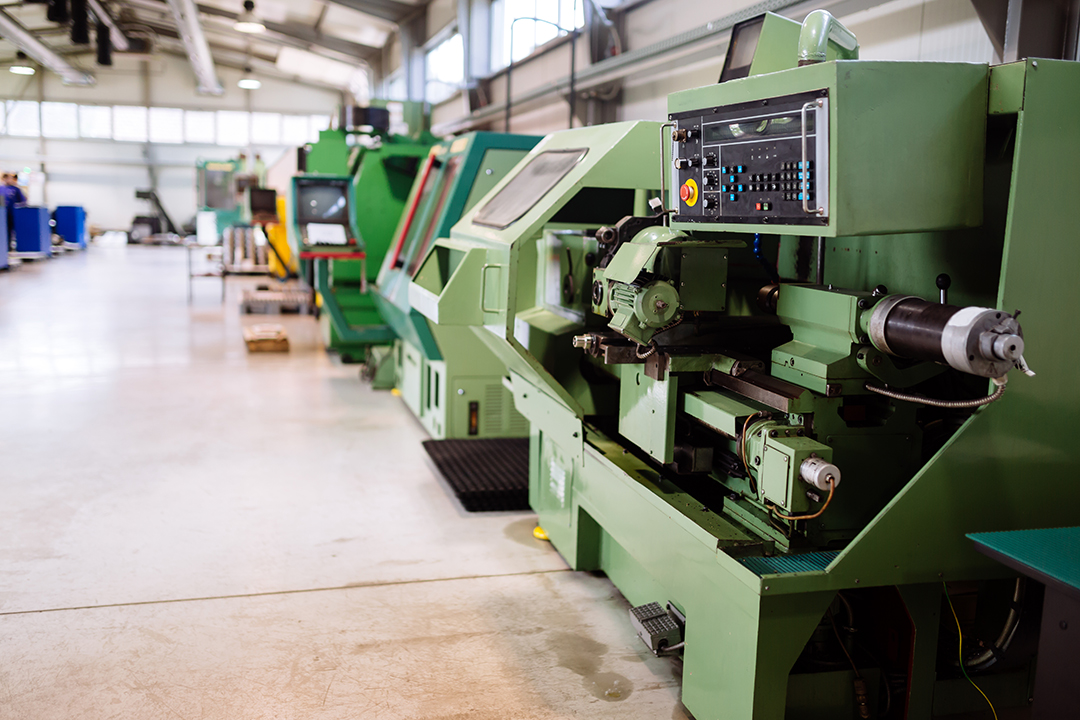
Technology investments represent another significant advantage. Modern CNC equipment, coordinate measuring machines, and specialized tooling require substantial capital commitments that only make economic sense when utilized consistently. Precision manufacturing partners spread these investments across multiple clients, providing access to cutting-edge capabilities without the capital burden of ownership.
Risk Management and Business Continuity
Manufacturing partnerships distribute risk across multiple dimensions. Quality risks decrease when working with partners who have established quality management systems, documented processes, and proven track records. Schedule risks diminish through access to backup capacity and flexible production arrangements. Technology risks reduce when partners continuously invest in equipment and process improvements.
Business continuity planning gains strength through manufacturing partnerships. When internal production capacity faces constraints—whether from equipment failures, demand spikes, or workforce challenges—established partner relationships provide rapid access to additional capacity. This flexibility becomes particularly valuable during market volatility or unexpected growth opportunities.
Regulatory compliance represents another critical risk area. Industries like aerospace, medical devices, and automotive face complex regulatory requirements. Specialized manufacturers maintain certifications, understand documentation requirements, and stay current with evolving standards. Partnering with certified manufacturers transfers compliance risk while ensuring products meet all applicable requirements.
Scalability and Flexibility
Market conditions change rapidly. Products that start as low-volume specialty items may suddenly require significant production increases. Conversely, established products may face declining demand as market preferences shift. Manufacturing partnerships provide the flexibility to scale production up or down without the fixed costs and long-term commitments of internal capacity.
This scalability extends beyond simple volume adjustments. Manufacturing partners can accommodate design changes, material substitutions, and production method modifications more readily than in-house operations locked into specific equipment configurations. When market conditions demand rapid adaptation, manufacturing partnerships enable faster response times and more efficient resource allocation.
Product portfolios benefit from manufacturing flexibility as well. Companies can maintain diverse product lines without investing in multiple manufacturing processes. A single manufacturing partner with broad capabilities can handle components requiring different materials, tolerances, and production methods—simplifying supply chain management while maintaining quality consistency.
Focus on Core Competencies
Every organization has finite resources. Manufacturing partnerships allow companies to concentrate resources on activities that differentiate them in the marketplace rather than dispersing efforts across all value chain functions. Product development, customer relationships, market positioning, and strategic planning typically deliver more competitive value than managing manufacturing operations.
Financial resources freed from manufacturing investments can fund research and development, marketing initiatives, or market expansion. Engineering talent can focus on innovation rather than production problem-solving. Management attention can concentrate on strategic priorities rather than daily manufacturing challenges.
This focus intensifies competitive advantages. Companies that excel at design, marketing, or customer service strengthen these capabilities when freed from manufacturing demands. The cumulative effect accelerates market differentiation and enhances long-term competitive positioning.
Cost Predictability and Financial Planning
Manufacturing costs fluctuate based on numerous variables: material prices, labor rates, equipment maintenance, energy costs, and waste factors. Managing these variables requires constant attention and periodic adjustments to pricing models and production methods. Manufacturing partnerships transform variable costs into more predictable expenses through clear pricing agreements and defined production parameters.
This predictability improves financial planning and profitability projections. Product pricing becomes more stable when manufacturing costs follow established patterns. Investment decisions gain clarity when manufacturing expenses can be forecasted with confidence. Cash flow management simplifies when manufacturing payments follow predictable schedules rather than fluctuating with capacity utilization rates.
Volume commitments and long-term partnerships often yield pricing advantages beyond what individual companies achieve through internal operations. Manufacturers offer pricing incentives for consistent business relationships, sharing efficiency gains and spreading fixed costs across larger production volumes.
Speed to Market
Time-to-market determines success in competitive industries. Products delayed by manufacturing challenges lose market opportunities to faster competitors. Manufacturing partnerships accelerate product launches through established processes, proven capabilities, and available capacity.
Partners with comprehensive design-for-manufacturability knowledge identify and resolve potential issues during the design phase rather than discovering them during production setup. This early problem resolution eliminates costly delays and redesign efforts. Manufacturing partners also maintain relationships with material suppliers, enabling faster material procurement and reduced lead times.
Tooling development, another common bottleneck in product launches, proceeds more efficiently through experienced manufacturing partners. They understand tooling requirements, maintain relationships with tool suppliers, and can often reuse or adapt existing tooling to reduce development time and costs.
Quality Assurance and Continuous Improvement
Precision manufacturing partnerships bring established quality systems that many companies struggle to replicate internally. ISO certifications, statistical process control, documented quality procedures, and trained quality personnel ensure consistent results across production runs. This systematic approach to quality reduces defect rates, minimizes rework, and protects brand reputation.
Continuous improvement initiatives represent another partnership benefit. Specialized manufacturers constantly refine processes, implement new technologies, and optimize production methods. These improvements benefit all partners, reducing costs and improving quality over time without requiring partner companies to drive improvement initiatives.
Quality data from manufacturing partners provides valuable insights into product performance, failure modes, and improvement opportunities. This information feeds product development cycles, enabling design refinements that enhance functionality, reduce costs, and improve customer satisfaction.
Building Strategic Manufacturing Relationships
Successful manufacturing partnerships require more than transactional relationships. Strategic partnerships develop through clear communication, shared objectives, and mutual commitment to success. Companies benefit most when treating manufacturing partners as extensions of their own organizations rather than external vendors.
Regular communication maintains alignment between partners. Design reviews, production planning discussions, and quality feedback sessions ensure both parties understand expectations and work toward common goals. Transparency about production schedules, volume forecasts, and design changes enables partners to optimize resources and deliver consistent results.
Long-term commitments strengthen partnerships. Manufacturers invest more heavily in partners who demonstrate consistent business volume and long-term growth potential. These investments take multiple forms: dedicated capacity, specialized tooling, training programs, and process optimization initiatives that reduce costs and improve quality.
Making the Partnership Decision
Evaluating manufacturing partnership opportunities requires comprehensive analysis beyond simple cost comparisons. Companies should assess partner capabilities across multiple dimensions: technical expertise, quality systems, capacity, financial stability, and cultural fit. Site visits, reference checks, and pilot projects provide insights that paper evaluations cannot match.
Decision criteria should reflect strategic priorities rather than focusing solely on initial pricing. The lowest-cost option often proves most expensive when factoring in quality issues, delivery delays, and communication challenges. Value-based evaluation considers total cost of ownership, including quality costs, inventory carrying costs, and the indirect costs of management attention and problem resolution.
Partnership agreements should clearly define expectations, responsibilities, and performance metrics. Quality standards, delivery requirements, communication protocols, and pricing structures need explicit documentation. Well-structured agreements prevent misunderstandings and provide frameworks for resolving issues that inevitably arise in complex manufacturing relationships.
Precision manufacturing partnerships deliver measurable business value when properly structured and managed. They provide access to specialized capabilities, reduce risk, improve cost predictability, and enable companies to focus resources on core competencies. Companies that approach manufacturing partnerships strategically rather than transactionally position themselves for long-term competitive success.