
Understanding Lead Times in Precision Manufacturing
Lead time expectations frequently create friction between customers and manufacturers. Customers need parts quickly to meet project deadlines, launch schedules, or production requirements. Manufacturers require adequate time to properly plan, execute, and verify complex manufacturing operations. Understanding the factors influencing lead times helps both parties set realistic expectations and make informed decisions.
Components of Manufacturing Lead Time
Lead time encompasses far more than the hours machines spend cutting metal. A comprehensive view of manufacturing lead time includes multiple sequential phases, each requiring time and attention. Customers who understand these components can better plan project schedules and identify opportunities for lead time reduction when urgency demands accelerated delivery.
Quoting and Engineering Review
Before manufacturing begins, technical teams must review drawings, specifications, and requirements. Engineering reviews identify potential manufacturing challenges, clarify ambiguous specifications, and determine required tooling and processes. Complex components require more extensive review than simple parts, particularly when designs push material limits or specify unusual features.
This phase typically requires 2-5 business days for standard components but can extend to 1-2 weeks for complex assemblies or unusual requirements. Customer responsiveness to technical questions significantly impacts this timeline—projects stall when clarifications languish awaiting responses.
Material Procurement
Raw material availability directly impacts lead times. Standard materials like aluminum, steel, and common alloys typically ship within days from metal service centers. Specialized materials—exotic alloys, certified aerospace materials, or particular heat treatment conditions—may require 2-8 weeks procurement time depending on mill schedules and distributor inventories.
Material certification requirements extend procurement timelines. When applications demand material test reports, certifications, or traceability documentation, suppliers need additional processing time to gather and verify documentation. Medical device and aerospace applications routinely require extensive material documentation.
Minimum order quantities from material suppliers sometimes necessitate ordering more material than single projects require. While this excess increases inventory costs, maintaining strategic material stocks accelerates lead times for subsequent projects using the same materials.
Job Scheduling and Capacity Planning
Manufacturing capacity operates as a shared resource across all customers and projects. When work arrives, it enters production schedules based on promised delivery dates, complexity, and available capacity. High-capacity utilization means longer wait times before projects enter active production.
Production scheduling balances multiple competing priorities: customer delivery promises, job complexity, setup efficiency, and capacity optimization. Schedulers group similar operations when possible, minimizing setup changes that consume time without producing parts. This optimization benefits overall efficiency but can shift individual job timing.
Rush requests disrupt carefully optimized schedules. While most manufacturers accommodate occasional urgent requirements, frequent rush requests create inefficiencies affecting all customers through longer standard lead times and higher costs.
Tooling Development and Setup
Many precision manufacturing operations require custom tooling, fixtures, or gages. First-time jobs need tooling designed, manufactured, and proven before production begins. This tooling development can require 1-4 weeks depending on complexity and external vendor dependencies.
Even with existing tooling, machine setup consumes significant time for precision work. Operators must install tooling, load programs, set work offsets, and create first-article parts for inspection verification. Setup time scales with part complexity and tolerance requirements—tight-tolerance work requires meticulous setup attention that looser-tolerance work does not demand.
Multiple setups multiply lead time impacts. Components requiring operations on multiple machines move through queues several times, adding waiting time between operations. While actual machining time might total only hours, calendar time extends across days or weeks as jobs wait for successive operations.
Manufacturing Operations
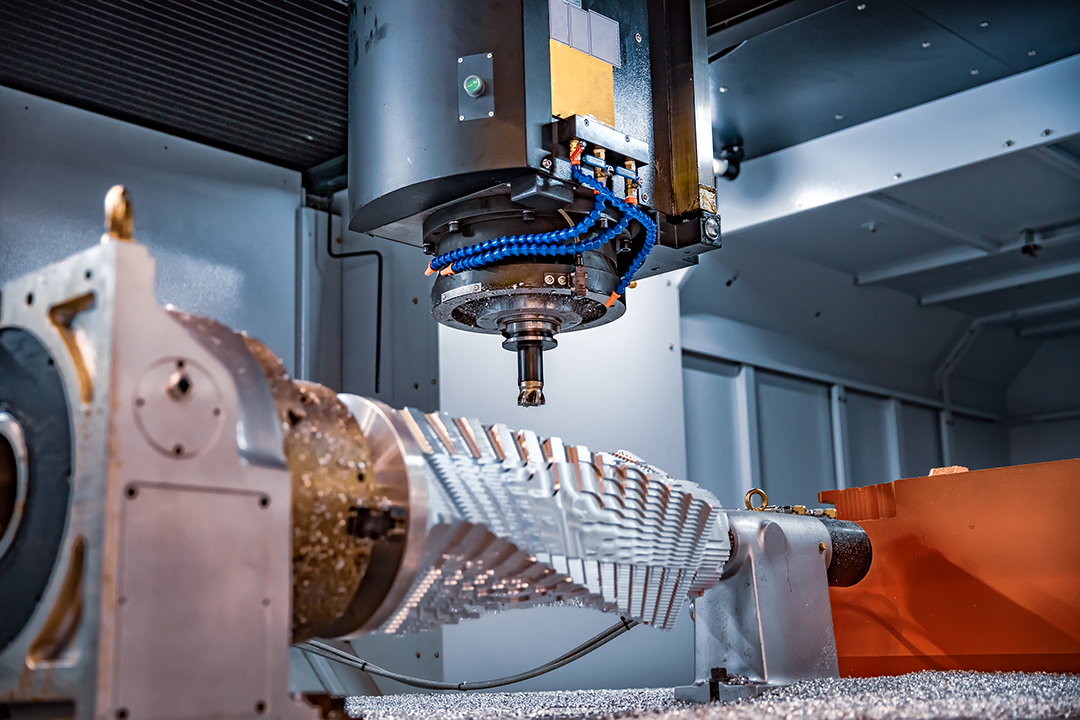
Machining time represents the most visible lead time component but often accounts for relatively small portions of total lead time. A component requiring four hours of actual machining might spend 2-3 weeks in the manufacturing system when factoring in all other time components.
Complex geometries, difficult materials, or tight tolerances extend machining time. Features requiring multiple tool changes, delicate cutting operations at conservative parameters, or numerous operation sequences accumulate hours at machines. Material removal rates vary dramatically across materials—machining titanium proceeds much slower than machining aluminum.
Multiple parts per order spread setup time across quantities, improving per-part efficiency for larger orders. The tenth part typically machines much faster than the first because setups are complete, programs are verified, and operators have optimized their processes. This learning curve effect makes larger quantities more time-efficient per unit.
Inspection and Quality Verification
Precision manufacturing demands thorough inspection to verify dimensional accuracy and surface quality. First articles receive particularly extensive inspection to validate processes before continued production. Complex geometries with numerous dimensions require more inspection time than simple parts with few critical features.
Advanced measurement techniques extend inspection time but provide necessary verification for critical applications. CMM measurements, optical comparisons, or specialized gaging procedures deliver accurate results but require careful execution. Part complexity directly correlates with inspection duration.
Non-conforming parts discovered during inspection require disposition decisions: rework if possible, scrap if not. Rework returns parts through manufacturing processes, extending lead times. High scrap rates force starting additional parts to meet order quantities, further delaying completion.
Finishing Operations and Secondary Processes
Many components require finishing operations beyond basic machining: heat treatment, plating, anodizing, painting, or other surface treatments. These secondary processes typically occur at specialized vendors, adding transportation time, vendor lead time, and coordination complexity to overall schedules.
Heat treatment alone can add 5-10 days to lead times when factoring in transportation, vendor scheduling, processing time, and return shipping. Multiple finishing operations compound these delays—a part requiring heat treatment, plating, and final grinding might spend three weeks in finishing processes.
Finishing vendor capacity fluctuates seasonally and with market conditions. When vendors face high demand, lead times extend. Establishing preferred relationships with finishing vendors provides more predictable scheduling but may limit flexibility for unusual requirements.
Documentation and Traceability
Applications requiring certification, material traceability, or detailed manufacturing records need documentation compilation time. Assembling inspection reports, material certifications, and process documentation for regulatory submissions requires careful attention to detail and cannot be rushed without risking errors.
Medical device, aerospace, and defense applications commonly require extensive documentation packages accompanying delivered parts. Preparing these packages can require several days of administrative work beyond actual manufacturing time.
Factors That Extend Lead Times
Understanding lead time challenges helps customers plan accordingly and avoid situations forcing expensive expediting. Several factors consistently extend lead times beyond standard durations:
Design Complexity
Components with numerous features, tight tolerances, or unusual geometries require more manufacturing time at each process stage. Complex designs need longer engineering reviews, more elaborate tooling, extended machining operations, and thorough inspection. A component specifying 50 dimensions toleranced within ±0.001″ requires dramatically more attention than one with ten dimensions at ±0.010″.
Material Specification
Unusual materials or specific material conditions create procurement challenges. If specifications require particular heat lots, special testing, or non-standard material conditions, procurement extends significantly. Specifying flexibility in material selection when applications permit accelerates lead times through improved material availability.
Quantity Requirements
Very small quantities (one to three pieces) often face longer lead times than moderate quantities (ten to fifty pieces) because setup time dominates the process. Conversely, very large quantities may exceed available capacity, requiring scheduling across longer time periods or investment in additional tooling to improve throughput.
Revision Changes
Design changes during manufacturing require process adjustments that delay completion. Changes might necessitate new tooling, revised programs, or different inspection procedures. Minimizing revisions during active manufacturing prevents these disruptions.
Incomplete Information
Missing dimensions, unclear specifications, or ambiguous requirements force manufacturing pauses while seeking clarification. Complete, well-documented designs with all necessary information proceed smoothly through manufacturing processes.
Strategies for Managing Lead Times
Both customers and manufacturers can implement strategies that optimize lead times without compromising quality:
Advanced Planning
Early engagement with manufacturing partners during project planning phases provides realistic lead time estimates that inform project schedules. Last-minute manufacturing requests invariably cost more and create stress for all parties.
Communicating forecasted requirements helps manufacturers plan capacity, procure materials strategically, and develop tooling proactively. Even non-binding forecasts provide valuable planning information that improves responsiveness when firm orders arrive.
Design for Manufacturability
Designs incorporating manufacturing considerations from the start proceed through production more smoothly than designs created without manufacturing input. DFM reviews during design phases identify and resolve potential manufacturing challenges before they impact schedules.
Standardizing around readily available materials, common tooling, and established processes reduces lead times compared to designs requiring special materials or unusual processes. While custom solutions sometimes prove necessary, standard approaches should be the default unless specific requirements demand alternatives.
Strategic Inventory Programs
Maintaining inventory of long-lead-time materials or commonly used components eliminates procurement delays when orders arrive. This approach works well for products with predictable ongoing requirements but requires capital investment in inventory.
Consignment inventory arrangements place manufacturer-owned inventory at customer locations, providing immediate availability when needed. Customers benefit from reduced lead times while manufacturers maintain control over inventory investment.
Relationship Development
Long-term manufacturing relationships enable better capacity planning and scheduling flexibility. Manufacturers prioritize established customers during capacity constraints and work harder to accommodate challenging requirements from valued partners.
Regular communication between customers and manufacturers prevents misunderstandings, identifies potential scheduling conflicts early, and enables proactive problem-solving before issues become crises.
Realistic Expectations
Understanding that precision manufacturing requires time for proper execution helps set appropriate expectations. Attempting to compress lead times below minimums required for quality work increases costs, elevates defect risks, and strains relationships.
Planning adequate lead times into project schedules eliminates the need for expensive expediting and reduces stress for everyone involved. Emergency situations do arise, but treating every project as an emergency degrades overall efficiency and increases costs.
The Cost-Lead Time Relationship
Shorter lead times typically command premium pricing. Rush charges compensate manufacturers for schedule disruptions, overtime labor, expedited material procurement, and prioritization over other work. Understanding this cost-lead time relationship helps customers make informed trade-offs between urgency and budget.
Standard lead times typically offer the best value—manufacturers operate most efficiently when working within normal scheduling parameters. Modest premium charges for moderately expedited delivery (reducing lead times by 25-30%) seem reasonable. Extreme expediting (reducing lead times by 50% or more) commands substantially higher premiums reflecting major operational disruptions.
Some situations warrant expediting costs: emergency equipment repairs, unexpected market opportunities, or critical project deadlines. Many situations do not—poor planning should not routinely justify premium expediting charges. Distinguishing genuine urgency from manufactured urgency improves project economics.
Communicating Lead Time Expectations
Clear communication prevents lead time disputes. When requesting quotes, customers should explicitly state required delivery dates and flexibility around those dates. Manufacturers should respond with realistic lead time estimates rather than promising impossible schedules to secure orders.
Lead time commitments should specify whether they represent approximate targets or firm promises. Manufacturing inherently involves some uncertainty—unexpected tool failures, material quality issues, or measurement complications can extend schedules despite best planning. Frank discussions about reasonable schedule buffers prevent unrealistic expectations.
Progress updates during manufacturing maintain alignment between all parties. When potential delays emerge, early communication enables customers to adjust their plans while manufacturers work to minimize impacts. Delayed communication about schedule problems creates unnecessary conflict and limits solution options.
Lead times represent the practical reality of quality precision manufacturing. Understanding the components of lead time, factors that extend schedules, and strategies for optimization enables better planning and more productive customer-manufacturer relationships. Rushing precision work simply to meet arbitrary deadlines usually proves counterproductive—quality manufacturing takes appropriate time regardless of external pressures.