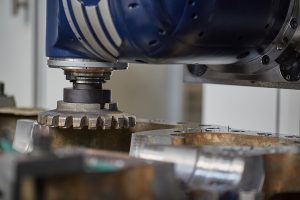
How Quality Control Works in Precision CNC Machining
Precision machining is defined by its margins. A component produced to a tolerance of .001″ requires a completely different quality assurance approach than a part held to a looser standard.

Precision machining is defined by its margins. A component produced to a tolerance of .001″ requires a completely different quality assurance approach than a part held to a looser standard.
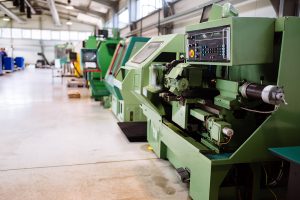
Manufacturing partnerships determine whether products succeed or struggle in competitive markets. Companies making critical sourcing decisions face pressure from multiple directions: reducing costs, maintaining quality, accelerating time-to-market, and managing risk. The choice between handling manufacturing in-house versus partnering with specialized precision manufacturers represents one of the most strategic decisions executives make.
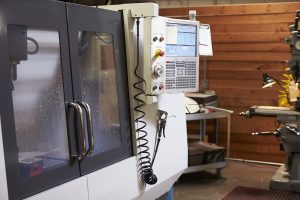
How Precision Manufacturing Supports Innovation in Product Development Innovation drives competitive advantage, but transforming breakthrough ideas into market-ready products requires manufacturing capabilities that match creative ambition. The relationship between product
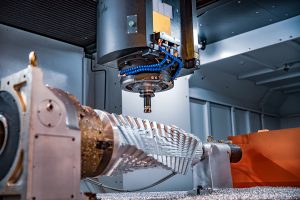
Lead time expectations frequently create friction between customers and manufacturers. Customers need parts quickly to meet project deadlines, launch schedules, or production requirements. Manufacturers require adequate time to properly plan, execute, and verify complex manufacturing operations. Understanding the factors influencing lead times helps both parties set realistic expectations and make informed decisions.
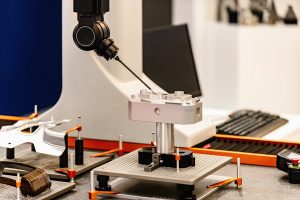
Quality manufacturing depends on accurate measurement. Without reliable metrology—the science of measurement—manufacturers cannot verify dimensional accuracy, validate process capability, or ensure products meet specifications. Metrology represents the objective arbiter determining whether manufactured components succeed or fail, yet many people overlook its critical importance until measurement challenges compromise product quality.
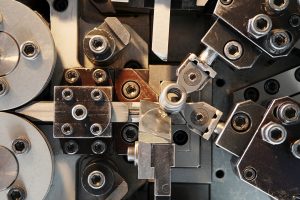
Equipment downtime costs manufacturers an average of $260,000 per hour according to Aberdeen Research, yet many companies find themselves held hostage by obsolete components, discontinued parts, and inaccessible original equipment