
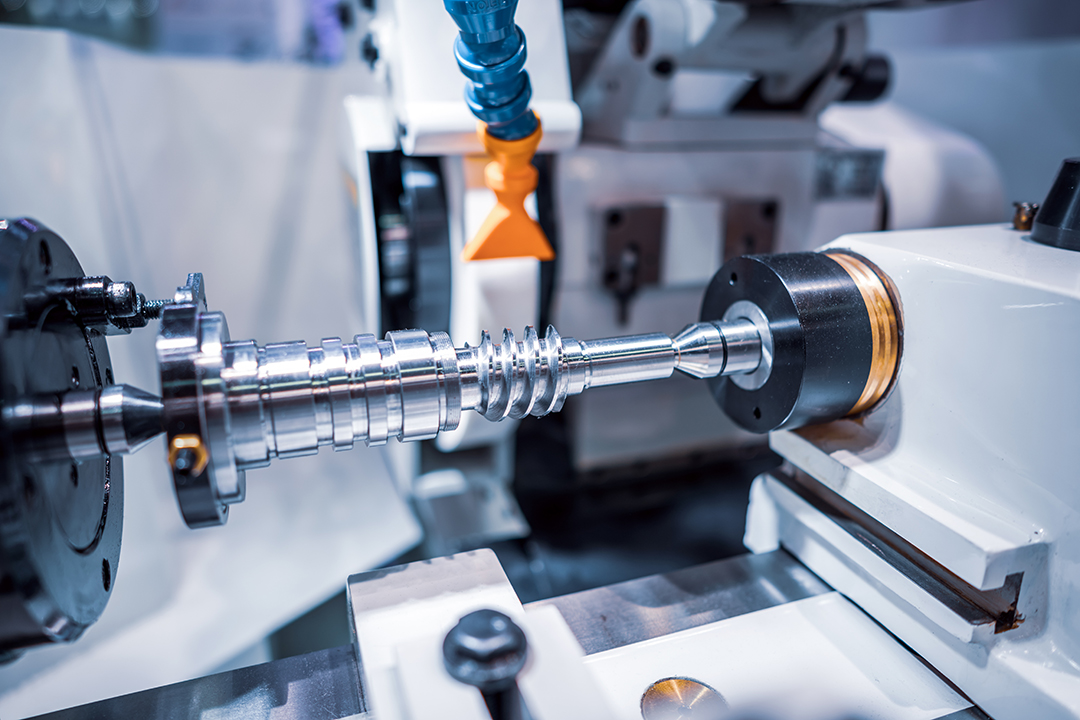
Precision machined parts play a critical role in modern manufacturing. Industries such as aerospace, medical device production, automotive engineering, and electronics rely on highly accurate components to ensure systems perform reliably and safely. These parts are produced using advanced machining technologies that maintain strict dimensional tolerances and repeatable manufacturing standards.
As manufacturing processes become more advanced, the demand for precise components continues to grow. Companies depend on precision CNC machining services to produce complex parts that meet exact engineering specifications. Combined with advanced inspection processes and reverse engineering capabilities, precision machining supports industries that require consistent performance and dependable product quality.
What Are Precision Machined Parts
Precision machined parts are components manufactured through controlled machining processes such as CNC milling, turning, drilling, and grinding. These parts are produced with tight tolerances and high repeatability, ensuring that each component meets exact dimensional specifications.
Unlike general fabrication methods, precision machining focuses on accuracy, surface finish quality, and consistent production standards. This level of precision is essential for industries where small dimensional variations can affect assembly alignment, system performance, or equipment reliability.
Precision machining allows manufacturers to produce complex geometries, detailed features, and high-performance components that are difficult to achieve through other production methods.
Why Precision Machined Components Are Important in Modern Manufacturing
Modern industrial systems depend on components that fit together accurately and perform consistently. Precision machined parts help manufacturers maintain strict quality standards while improving efficiency across production processes.
Accurately manufactured components reduce assembly errors, improve system reliability, and minimize downtime caused by equipment failure. In industries where operational efficiency is critical, precision machining helps ensure parts function exactly as intended.
Another important advantage is production repeatability. Once a part design has been validated, precision machining processes can reproduce the same component repeatedly while maintaining consistent tolerances and performance characteristics.
Common Types of Precision Machined Components
Precision machining is used to produce a wide variety of industrial components. Some of the most common precision machined parts include:
- Shafts and rotating components
- Housings and enclosures
- Brackets and structural supports
- Custom bushings and spacers
- Precision connectors and fittings
- Custom fasteners and hardware
- Prototype components for product development
- Replacement parts for specialized equipment
Although many of these components appear simple, their performance often depends on precise dimensional control and consistent material properties.
Examples of Precision Machined Parts Used in Industrial Applications
Precision machining is used to manufacture a wide range of industrial components that require exact dimensions and consistent performance. These parts are often used in equipment, assemblies, and systems where reliability and accuracy are essential.
Some of the most common precision machined parts include:
- Drive shafts used in rotating mechanical systems
- Precision bushings that support controlled movement and alignment
- Custom brackets used for structural support in equipment assemblies
- Machined housings designed to protect internal mechanical components
- High-precision connectors used in electronic and electrical systems
- Custom spacers and sleeves used to maintain proper assembly tolerances
- Threaded fasteners and specialty hardware used in industrial equipment
- Prototype components created during product development and testing
Each of these components must meet strict dimensional requirements to ensure proper fit and performance within the final assembly.
Key Applications of Precision Machined Components Across Industries
Precision machined parts are essential across multiple industries where high performance, durability, and reliability are required. The following sectors represent some of the most common applications.
Aerospace Industry Applications
The aerospace sector requires extremely precise components that can perform reliably under demanding conditions. Aircraft systems depend on machined components such as structural brackets, housings, connectors, and specialized mechanical parts.
These components must meet strict engineering standards to ensure proper alignment, structural integrity, and operational safety.
Medical Device Manufacturing Applications
Medical device manufacturers rely heavily on precision machining to produce surgical instruments, device housings, diagnostic equipment components, and other specialized parts.
Accuracy is essential in medical manufacturing because dimensional inconsistencies can affect device performance and reliability. Precision machining allows manufacturers to maintain the tight tolerances required for these applications.
Automotive and Transportation Applications
Automotive manufacturing uses precision machined components in engine systems, braking assemblies, transmission components, and structural hardware. These parts must maintain accurate fit and performance under continuous mechanical stress.
High-quality machined components help automotive systems operate more efficiently while supporting long-term durability.
Electronics and Technology Applications
The electronics industry also depends on precision machined parts for connectors, housings, mounting components, and thermal management hardware. As electronic devices become smaller and more complex, the need for precise machining continues to increase.
How CNC Machining Enables High-Precision Manufacturing
CNC machining technology allows manufacturers to produce parts with extremely high levels of accuracy. Computer-controlled equipment follows programmed tool paths to cut, drill, and shape materials according to detailed engineering designs.
This process provides several advantages:
- High dimensional accuracy
- Consistent repeatability across production runs
- Ability to produce complex geometries
- Improved efficiency and reduced manual error
Advanced CNC machining equipment allows manufacturers to produce components that meet demanding industrial requirements while maintaining consistent production quality.
The Role of Reverse Engineering in Precision Manufacturing
Reverse engineering is often used when original design documentation is unavailable or when an existing part must be reproduced. This process involves analyzing a physical component to recreate its design specifications and manufacturing requirements.
Through reverse engineering services, manufacturers can replicate legacy components, improve existing designs, or develop replacement parts for specialized equipment.
Quality Control and Inspection in Precision Machining
Inspection plays an essential role in maintaining machining accuracy. Manufacturers rely on specialized measurement tools and inspection systems to verify that machined components meet required tolerances.
These quality control procedures may include dimensional measurement, surface finish evaluation, and tolerance verification. Dedicated machined parts inspection processes help ensure each component meets required specifications before it enters production use.
Choosing the Right Precision Machining Partner
Selecting an experienced machining partner can significantly impact the success of a manufacturing project. Reliable machining providers combine technical expertise, advanced equipment, and strong quality control systems to produce consistent results.
Important factors to consider when evaluating a machining partner include:
- Machining capabilities and equipment capacity
- Experience producing complex components
- Quality inspection processes
- Engineering support and technical expertise
Working with an experienced manufacturer helps ensure that machined components meet required specifications while supporting efficient production timelines.
Request a Quote for Precision Machining Services
Precision machined parts continue to play a vital role in supporting modern industrial production. From aerospace and medical applications to automotive systems and advanced electronics, these components enable manufacturers to achieve consistent performance and reliable operation.
To learn more about available machining capabilities or request a custom manufacturing solution, visit the Request a Quote page.